Down Payment Assistance Programs: How They Work
Not having enough cash saved is the number one thing that stops people from buying. Down payment assistance can close that gap. Most people who qualify never even ask. Here is how it works.
Where the money comes from
Most help comes from state housing finance agencies, plus some cities, counties and nonprofits. Some lenders have programs too. Every program sets its own rules and its own amount, and funds can run out.
The three kinds of help
- Grants. Money you do not pay back.
- Forgivable loans. A second loan that goes away if you live in the home long enough.
- Deferred loans. A second loan with no monthly payment. You pay it back when you sell, refinance or pay off the first loan.
Read the fine print. Some programs come with a higher interest rate on your main loan. Ask your loan officer to show you the total cost both ways.
Who usually qualifies
- Income limits. Many programs cap what your household can earn.
- First-time buyer. Many programs count you as first-time if you have not owned a home in the last three years.
- Primary home. You must live in the home.
- A homebuyer class. Many programs require a short course. Many are online.
- Price limits. Some programs cap the price of the home.
How to find programs near you
- Search for your state's housing finance agency. That is the best starting point.
- Check your city and county housing office websites.
- Ask your loan officer. Not every lender offers every program, so ask which ones they can do.
- Ask your agent which programs local buyers have used.
Start early
Many programs must be approved before you sign a contract, and some take extra time to close. Bring it up at your first talk with a lender.
Quick answers
Is down payment assistance a grant or a loan?
It can be either. Some programs are grants you never repay, and others are second loans that are forgiven over time or repaid when you sell or refinance.
Can I use down payment help with an FHA loan?
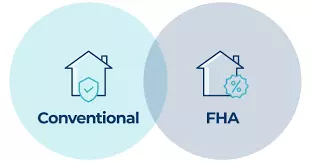
Many programs work with FHA loans, and some also work with conventional, VA or USDA loans. Compare FHA and conventional.
Who counts as a first-time buyer?
Many programs count you as first-time if you have not owned a home in the last three years. Start with our first-time buyer checklist and budget guide.
See our down payment assistance guide · Get pre-approved · How much can I afford?
Where you buy changes this
Programs are run by state and local agencies, so what exists depends on where you buy.
- Florida — homestead and portability change what you pay after closing.
- Texas — the homestead exemption takes $140,000 off school value, and the 10% cap starts the January after you qualify.
- Georgia — property is taxed on 40% of value, and a statewide cap on growth starts January 1, 2027.
- South Carolina — SC Code 12-43-220 gives a 4% owner-occupied rate that also wipes out school operating tax, but you have to apply.
- New Mexico — the tax cap resets the year after you buy, so your bill can land above the old owner's.
We keep a page for every state we work in, with a cost table, a step-by-step timeline and the rules that actually trip people up. See all AXEN locations.
Sources and further reading
Updated September 18, 2026. We check these sources each time we update this guide. See our editorial policy.
Recent Posts