How to Budget for a Home When Rates Are High
When rates are high, the same house costs more each month. That doesn't mean you can't buy. It means your budget has to be real, not a guess. Here is how to build one.
Step 1: Know your real monthly payment
Your payment is more than the loan. It is four things, often called PITI:
- Principal: paying down what you owe.
- Interest: the cost of borrowing.
- Taxes: property taxes.
- Insurance: homeowners insurance, plus mortgage insurance if you have it.
Add HOA dues if the home has them. Run the full payment here.
Step 2: Try the 28% habit
Some people keep their housing payment near 28% of their pay before taxes. If you earn $6,000 a month, that is about $1,680. This is a budgeting habit, not a lender rule. No loan program caps you at 28%. Fannie Mae's guide sets no housing ratio at all and allows total debt up to 50%, and FHA's 31% figure applies only to loans a human underwrites by hand. Ask a licensed lender what you actually qualify for.
The rule is a starting point. What you are comfortable paying matters more than what a lender will approve. Check what you can afford.
Step 3: Plan for cash to close
- Down payment. Many loans need far less than people think. Compare loan programs.
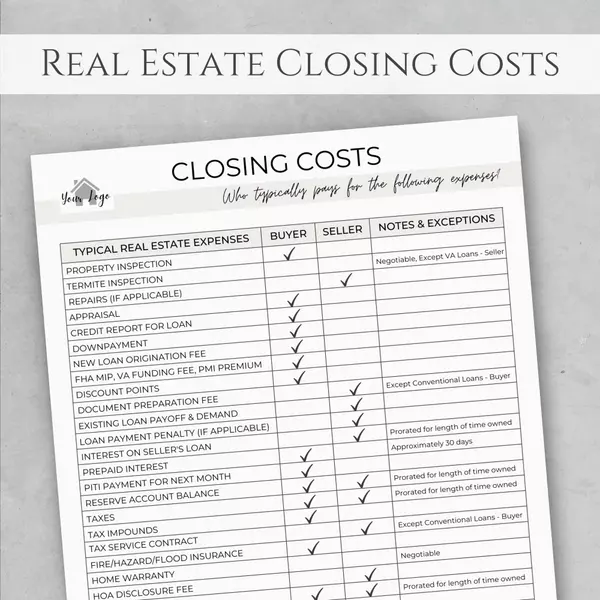
- Closing costs. The CFPB puts a buyer's at about 2% to 5% of the price, on top of the down payment. See what is in them.
- A cushion. Keep money for moving and the first repairs.
Step 4: Beat the high rate
- Shop lenders. Get more than one Loan Estimate on the same day and compare the APR.
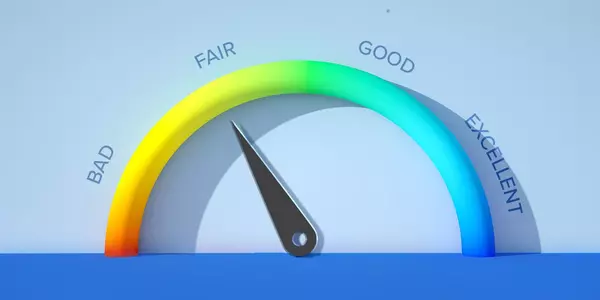
- Raise your credit score before you apply. Here's how.
- Ask the seller for help. Sellers can pay toward your closing costs or buy down your rate.
- Ask about points. Paying points up front can lower your rate. Make sure you stay long enough for it to pay off.
- Look for down payment help. See how it works.
- Widen your search. A nearby area or a home that needs a little work can lower the price.
Don't count on a refinance
You may be able to refinance if rates fall later. But buy a home you can afford at today's rate. A future refinance is a bonus, not a plan.
Quick answers
How much house can I afford?
Start with the full monthly payment, not the price. Our affordability calculator shows a range, and a lender pre-approval gives you the real number.
What costs do buyers forget?
Closing costs, moving, turning on utilities, HOA dues, insurance and the first round of repairs. Each one looks small on its own, and together they are why people feel broke the month after they close.
Can I buy with a small down payment?
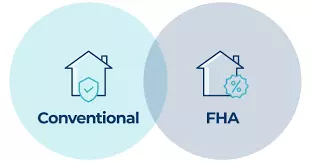
Many loans need far less down than people think, and down payment help can cover part of it. See down payment help and FHA vs. conventional.
Get pre-approved to see your real rate and budget.
Where you buy changes this
The payment is only part of it. These are the local costs people forget to budget.
- California — supplemental tax bills land months after you close.
- Florida — CDD assessments ride on the tax bill on top of HOA dues.
- Texas — MUD and PID districts add their own lines.
- Colorado — metro districts can add more than the city's own levy.
- Nevada — special improvement districts are a lien billed separately.
We keep a page for every state we work in, with a cost table, a step-by-step timeline and the rules that actually trip people up. See all AXEN locations.
Sources and further reading
Updated September 18, 2026. We check these sources each time we update this guide. See our editorial policy.
Recent Posts