What Moves Mortgage Rates, and the Parts You Control
Everyone wants to know where mortgage rates are going. Here is the truth: nobody knows for sure. Forecasts miss all the time. What you can control is the rate you personally get. That part is worth your time.
What moves rates for everyone
- The bond market. Mortgage rates tend to follow long-term bond yields, like the 10-year Treasury.
- Inflation. When prices rise fast, rates usually go up.
- The Federal Reserve. The Fed does not set mortgage rates. But its moves and words change what investors expect, and that moves rates.
- The economy. Strong job reports can push rates up. Weak ones can pull them down.
What moves your rate
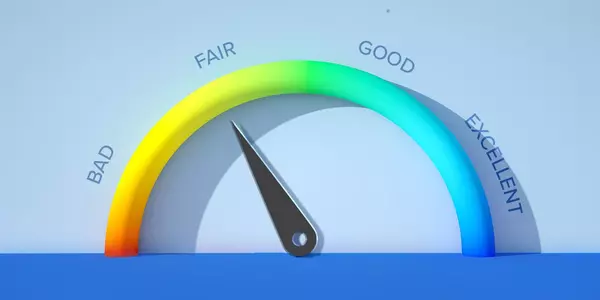
- Your credit score. Higher scores usually get better pricing. Here is how to raise yours.
- Your down payment. Putting more down can lower your rate and your mortgage insurance.
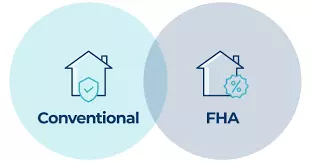
- Your loan type and term. A 15-year loan usually has a lower rate than a 30-year. Compare loan programs.
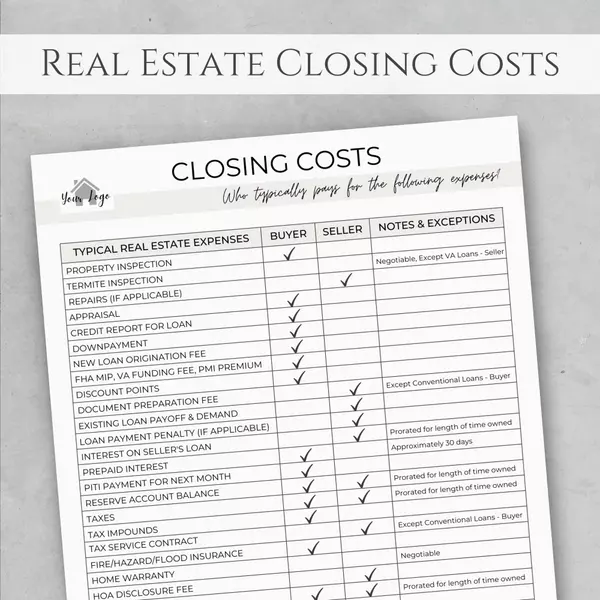
- Points. You can pay extra at closing to buy a lower rate. Ask your loan officer how many months it takes to pay back.
- Shopping around. Different lenders quote different rates on the same day. Get more than one Loan Estimate and compare them side by side.
Rate vs. APR
The rate is what you pay to borrow. The APR adds most fees and points, so it shows the fuller cost. Use APR when you compare offers.
Should you wait for rates to drop?
Waiting is a bet. Rates could fall, or they could rise, and home prices can move too. A better plan: buy when the home fits and the payment fits your budget today. If rates fall a lot later, you can look at a refinance.
Lock your rate
Once you are under contract, you can lock your rate for a set number of days. That protects you if rates rise before closing. Ask how long the lock lasts and what it costs to extend.
Next steps
- Get pre-approved to see your real rate and APR.
- Run your payment at a few different rates.
Quick answers
What is a rate lock?
A rate lock holds your interest rate for a set time, often 30 to 60 days, while your loan is processed. Ask how long it lasts and what an extension costs.
What are mortgage points?
Points are fees you pay at closing to lower your rate. One point costs 1% of the loan amount — on a $300,000 loan, $3,000. You will see it on page 2 of your Loan Estimate, labeled "% of Loan Amount (Points)," because Regulation Z 12 CFR 1026.37 makes lenders show it that way. How much the rate drops per point is up to each lender and changes daily, so they only pay off if you keep the loan long enough.
Does my credit score change my rate?
Yes. Higher scores usually get better pricing, because the lender is pricing the risk it takes on. A small change in score can move your payment, so pull your reports before you apply, not after. See FHA vs. conventional loans and how to budget when rates are high.
Where you buy changes this
Rates are national. What you actually pay each month is not.
- Florida — insurance and flood coverage can outweigh a rate difference.
- Texas — property tax carries what an income tax would elsewhere.
- New Jersey — the seller pays the transfer fee, which changes your cash to close.
- Colorado — a metro district levy can dwarf a small rate move.
- Illinois — you get a tax credit at closing because taxes run a year behind.
We keep a page for every state we work in, with a cost table, a step-by-step timeline and the rules that actually trip people up. See all AXEN locations.
Sources and further reading
Updated September 18, 2026. We check these sources each time we update this guide. See our editorial policy.
Recent Posts