Is It a Buyer's Market? How to Tell and What to Do
News stories say "buyer's market" or "seller's market" like it is true everywhere. It is not. Your town can be hot while the next town over is slow. Here is how to read your own market, and what to do about it.
Four numbers that tell you who has the upper hand
- Months of supply. How long it would take to sell every home for sale if no new ones came up. About six months is often called balanced. Less favors sellers. More favors buyers.
- Days on market. How long homes sit before they go under contract. Longer means buyers have more time and more room to ask for things.
- Price cuts. When a lot of listings drop their price, sellers are feeling pressure.
- Sale price vs. list price. Homes selling under list price favor buyers. Homes selling over list price favor sellers.
Your agent can pull these numbers for your exact area and price range. Ask for them before you write an offer.
How to use a buyer's market
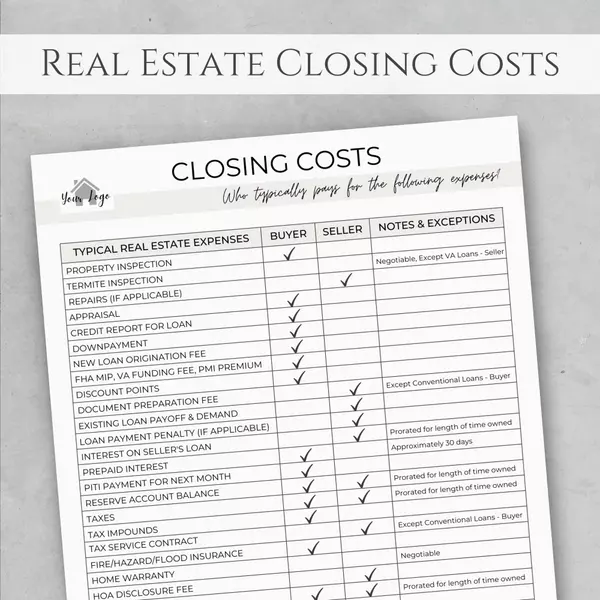
- Ask for seller help with closing costs. Many sellers will pay part of them to get the deal done.
- Keep your inspection time. You don't have to rush or waive it.
- Ask for repairs or a credit after the inspection.
- Look at homes that have sat a while. Those sellers are often the most ready to deal.
What if your market still favors sellers?
- Get pre-approved first so you can move the day a good home comes up.
- Write a clean offer. Fewer asks and a flexible closing date can beat a higher price.
- Know your walk-away number before you start, so you don't overpay in a bidding war.
Don't try to time rates
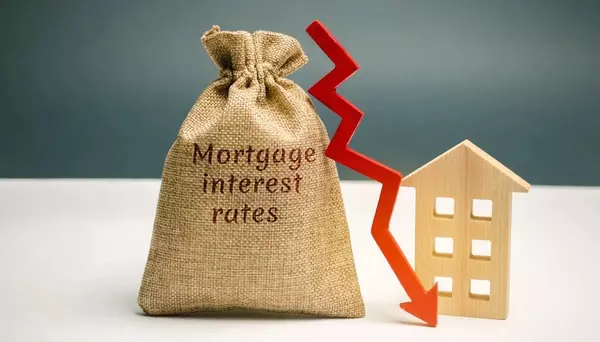
Nobody knows where mortgage rates will go next, including us. Buy when the home and the payment both work for you. If rates drop a lot later, you may be able to refinance.
Next steps
- Get pre-approved so you know your real budget.
- Estimate your monthly payment.
- Talk to a local AXEN agent for the numbers in your area.
Quick answers
What is a buyer's market?
It is a market with more homes for sale than buyers, so homes sit longer and sellers are more willing to negotiate on price, repairs and closing costs.
How many months of supply is a balanced market?
About six months of supply is often called balanced. Less than that usually favors sellers, and more usually favors buyers.
Should I wait for prices to drop before buying?
Nobody can time prices or rates. Buy when the home and the monthly payment fit your budget. See how long buying takes and what to check before you commit.
Where you buy changes this
The numbers that tell you who has the upper hand are local. So are the rules underneath them.
- Florida — condo inventory moves differently from houses.
- Texas — the option period gives buyers leverage even in a tight market.
- North Carolina — the due diligence fee is how buyers compete.
- Arizona — the 10-day inspection period sets the pace.
- Nevada — HOA resale packages add a five-day cancel window.
We keep a page for every state we work in, with a cost table, a step-by-step timeline and the rules that actually trip people up. See all AXEN locations.
Sources and further reading
Updated September 18, 2026. We check these sources each time we update this guide. See our editorial policy.
Recent Posts